5 Checks to Spot Hidden Accident Damage (Before You Regret It)
The Festive Season is here, and the deals are sweet, at least that’s what every other dealer will say – save “thousands of shillings” for that dream car. Cool.
But before you throw caution to the wind and say, “Ah, this deal is a jackpot! Siachi!” simply because “the deals won’t last” or the “supplies are limited”, due diligence is a must.
Why do I say so? Well, more often than not, a good price doesn't automatically mean a good car. Hidden accident damage can turn your dream ride into a financial nightmare.
But this isn't to say that there aren't some great bargains that you can claim. You can actually take hundreds of thousands of shillings from that Mazda CX-8 right now, thanks to some generous limited-time discounts.
But, if you're a savvy car buyer and don’t want to leave anything to chance, whether you’re buying privately or from a dealer, the trick is knowing what to look for before you sign anything. That's why learning these five checks is non-negotiable.
Check 1: Examine the Frame and Panels
Start with the basics. Walk around the car slowly and look at the body panels from different angles. You're checking for uneven gaps between panels, doors, and the bonnet. If one side has wider gaps than the other, that's a red flag.
Now, this part matters:
Pay attention to the paint. Does it look consistent across all panels?
- Run your hand gently along the surface. If you feel rough patches or see slight colour mismatches, someone probably repainted after an accident.
- Original factory paint has a uniform texture and shade that's hard to replicate perfectly.
Check the doors, bonnet, and boot. Open and close them.
- Do they align properly?
- Do they shut smoothly without needing extra force?
- Misaligned panels often mean the frame was bent in a crash and poorly repaired.
Here's what most people miss:
Look at the bolts holding the panels in place.
- If they're scratched, chipped, or look newer than the rest of the car, those panels were likely removed and replaced.
- Original bolts usually have factory paint marks or a consistent level of wear.
At Peach Cars, our 288-point inspection includes detailed frame and panel checks. We catch these issues before they become your problem.
Check 2: Inspect the Glass and Lights
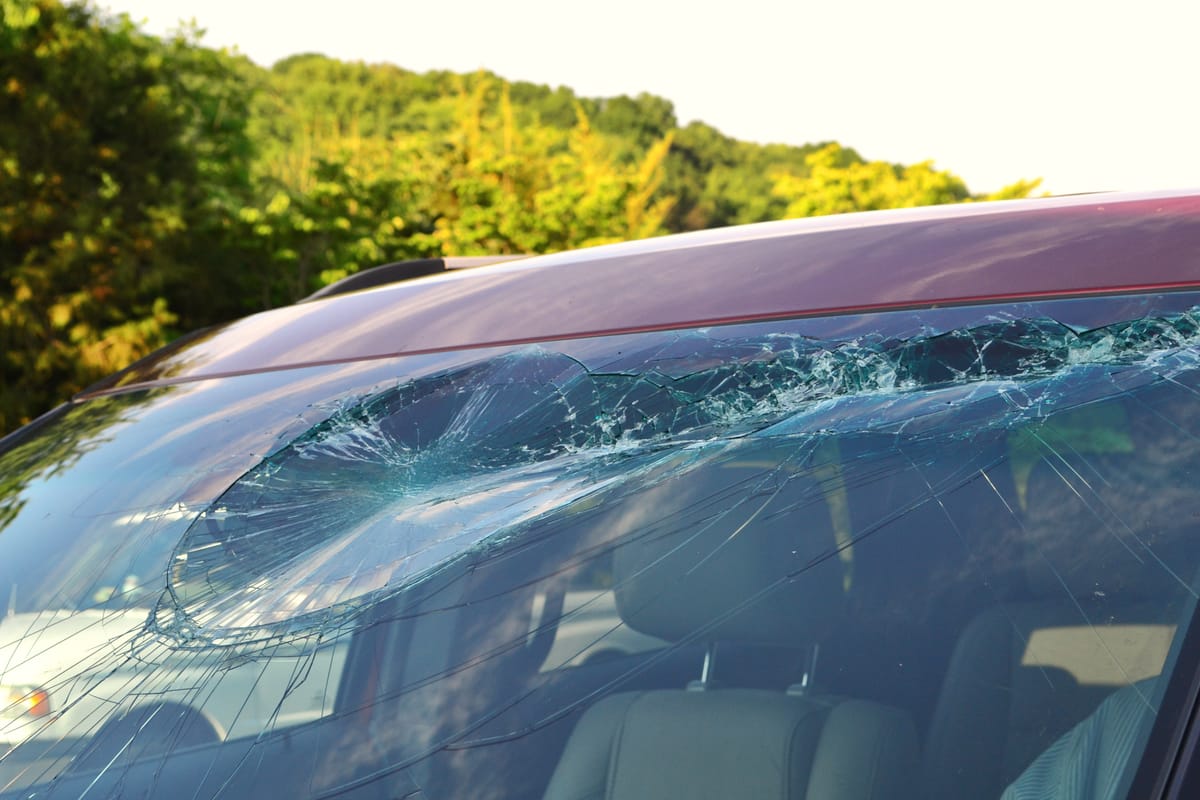
Windscreens, headlights, taillights, and mirrors tell stories. Check the windscreen for chips, cracks, or signs of replacement. Look at the date stamp on the glass—it should match the car's age. A brand new windshield on an older car might mean a recent accident.
Headlights and taillights should match on both sides.
- Different tints, moisture inside the casing, or mismatched brands are clues.
- After a collision, many people replace only the damaged light with whatever's available.
Mirrors are easy to overlook but equally important.
- Check if they're the same model and condition on both sides.
- One shiny new mirror, while the other is faded? It could be a result of an accident.
Here's the catch:
Even small cracks in lights can let in moisture, which leads to electrical problems. Water damage in your electrical system can be expensive to fix and often goes unnoticed until it's too late.
Check 3: Review Suspension and Alignment
This one requires a test drive, and it's worth every minute. Take the car on a straight, smooth road.
- Does it pull to one side?
- Does the steering wheel vibrate?
These are signs of alignment issues, often caused by frame damage from an accident.
Listen carefully for unusual noises.
- Clunking, knocking, or grinding sounds when you go over bumps suggest suspension damage.
- A properly functioning suspension should absorb bumps smoothly without drama.
But there's a twist:
Even if the car drives fine now, suspension damage can worsen quickly. What feels like a minor pull today can become dangerous instability in a few months. Don't assume it's just "the way the car is."
Park the car and bounce each corner.
- Press down hard on the bonnet and boot, then release. The car should bounce once and settle.
- If it keeps bouncing, the shock absorbers are worn or damaged—possibly from an accident.
Professional inspectors can spot suspension issues that are invisible to the average buyer. That's why having an expert check the car is always the smarter move.
Check 4: Engine Bay & Underbody
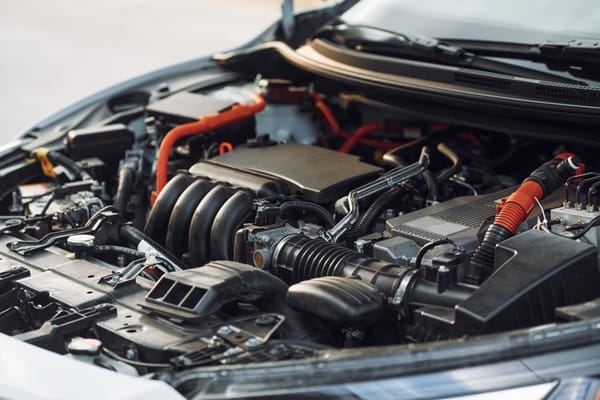
Pop the bonnet and take a good look. The engine bay should be relatively clean and organised. Fresh paint, welding marks, or new bolts in unusual places suggest repair work after a collision.
- Check for fluid leaks.
- Look under the car for oil, coolant, or brake fluid puddles.
- Leaks can result from accidental damage that cracked hoses, damaged the radiator, or bent the engine mounts.
Now look at the underbody if you can. Rust, bent components, or welding marks are major warning signs.
Front-end collisions often damage the radiator support, subframe, or suspension mounting points. Poor repairs can compromise the entire car's structural integrity.
Here's what most people miss:
- The engine bay should look symmetrical.
- If one side has more repairs or looks disturbed compared to the other, that's not normal wear and tear.
- That's accident damage.
This is where DIY checks hit their limit. Unless you're mechanically inclined, you might miss critical signs.
Peach Cars' trained technicians know exactly what to look for and can spot problems that would cost you big time down the road.
Check 5: Request Full History & Documentation
Documentation separates guesswork from facts.
- Ask for the logbook and check the ownership history.
- Multiple owners in a short time can be a red flag—especially if the car's still relatively new.
- Request service records and maintenance receipts.
- Regular servicing suggests a well-cared-for car.
- Gaps in the service history, especially after a certain date, might indicate the car was off the road due to repairs.
Here's the catch:
- Ask specifically about insurance claims. If the seller hesitates or claims they don't know, that's suspicious. A car with previous accident claims should be disclosed.
- In Kenya, insurance companies keep records of major claims, and you can request this information.
- Check the chassis number against the logbook. Make sure they match. Verify that the number hasn't been tampered with. Discrepancies here can indicate serious fraud, including stolen vehicles or cars with reconstructed identities after write-offs.
At Peach Cars, every vehicle comes with a full history check and transparent documentation. We don't hide anything because we have nothing to hide. That's how value for money actually works—you know exactly what you're getting.
Safe, Smart, and Discounted — That's Real Value for Money
Festive Season deals are tempting, and they should be. But a discount on a damaged car isn't a deal—it's an expensive mistake dressed up as a bargain.
The five checks we've covered will help you spot hidden damage before it becomes your financial burden.
Luckily, at Peach Cars, we've already done these checks for you. Every car goes through a rigorous 288-point inspection. We check the history, for accident damage, and ensure everything works as it should. Our Festive Season deals aren't just discounted—they are also verified. That's the difference between a good deal and a great one.
You can save up to Ksh 500K on cars that have been professionally inspected and cleared. No hidden surprises. No regrets. Just solid, reliable vehicles ready to serve you well.
🚗 Browse our listings and find your dream car — fully inspected, reliable, and ready to drive. Visit peachcars.co.ke today.