
Car Sounds to Watch Out for When Taking a Used Car on a Test Drive
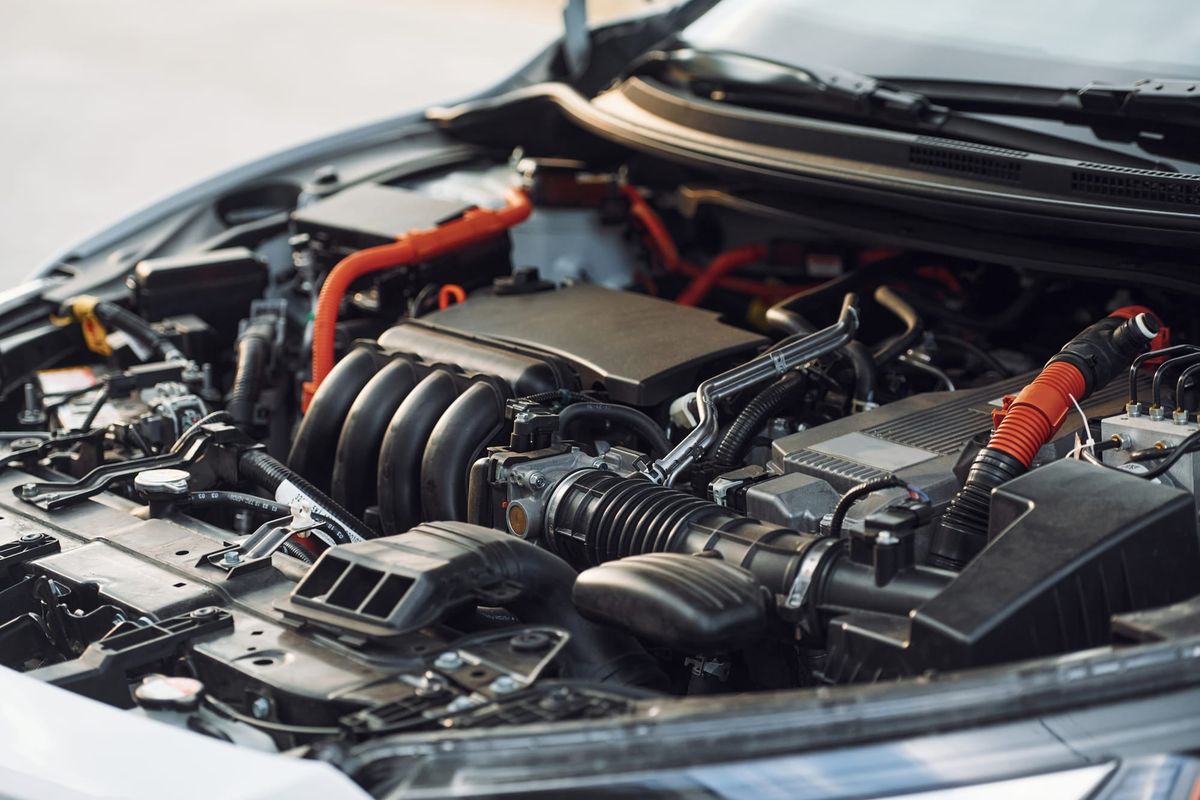
Many of the repair issues people complain about after buying a used car were already there during the test drive. They just didn’t announce themselves clearly.
Engines tick before they fail. Brakes squeal before they grind. Suspension components knock long before they give up completely. The warning signs are usually audible — if one is keen enough.
Some noises point to normal ageing. Others are early signs of wear that, if left unattended, tend to become quite expensive over time.
Here are the examples:
Engine Sounds
Engine-related faults are typically among the more expensive issues to repair, which is why early warning sounds here matter. Listen carefully when starting, idling, and accelerating.
Knocking or Pinging During Acceleration
A metallic knocking that gets louder when you press the accelerator signals trouble.
- What it means: Worn engine bearings or serious internal damage.
- Why it matters: Engine bearing failure can lead to complete engine seizure, which is catastrophic and expensive.
Ticking at Idle or When Revving
A fast, rhythmic ticking from under the bonnet, particularly at idle, usually points to valve train issues.
- What it means: Valve lifters are worn, it could also be low oil, or incorrect valve clearance.
Persistent ticking, while sometimes minor, indicates oil starvation or worn components that will damage the cylinder head if ignored.
Hissing or Whistling Sounds
A sharp hissing or high-pitched whistle when accelerating typically means a vacuum leak, damaged intake hose, or exhaust leak.
Vacuum leaks affect engine performance and fuel economy. Exhaust leaks can be safety hazards if fumes enter the cabin.
Grinding During Ignition
A harsh grinding noise when you turn the key means a worn starter motor gear or damaged flywheel teeth. A failing starter will eventually leave you stranded.
Brake Sounds
Brakes are non-negotiable safety components. Unusual brake noises often coincide with reduced braking efficiency or accelerated wear in other components.
Squealing When Braking
A high-pitched squeal during light braking usually means worn brake pads. Most pads have wear indicators designed to squeal when they're getting thin.
- Catch this early, and it's a straightforward pad replacement.
- Ignore it, and you'll damage the rotors, multiplying the repair cost.
Grinding When Braking
A harsh, metal-on-metal grinding sound means brake pads are completely worn through.
The backing plate is now grinding directly on the brake rotor. This is serious—the rotors are being damaged and need replacement or resurfacing.
Vibrations or Thudding Through the Pedal
A pulsing sensation through the brake pedal with rhythmic thudding, especially during hard braking, indicates warped brake rotors. This often happens from:
- Hard braking whilst rotors are hot
- Driving through water immediately after braking.
Warped rotors reduce braking effectiveness and can be dangerous in emergency stops.
Suspension and Steering Sounds
Kenyan roads are brutal on suspension components. These sounds are particularly common in older used cars.
Clunking Over Bumps or Potholes
A loud clunk or thud when driving over speed bumps, potholes, or rough surfaces means:
- Worn suspension bushings
- Damaged shock absorbers, or
- Loose suspension components like ball joints or control arms.
All these can compromise your handling of the vehicle and safety.
Creaking or Groaning Whilst Steering
A creaking, groaning, or squeaking noise when turning the steering wheel, particularly at low speeds like parking, suggests
- Worn steering rack bushings
- Low power steering fluid
- Failing CV joints, or
Power steering issues can make the car difficult to control.
Clicking When Making Sharp Turns
A rhythmic clicking or popping sound when making tight turns, particularly at slow speeds, indicates worn CV (constant velocity) joints in the front axle.
CV joints will eventually fail completely, causing loss of power to the wheels.
General Driving Noises
Some problems only show up when you're actually driving at normal speeds on varied terrain.
Humming or Whining That Increases With Speed
A humming or whining noise that gets louder as you accelerate and quieter as you slow down usually means worn wheel bearings or tyre issues.
Sometimes transmission problems in automatic cars. As wheel bearings wear, they generate heat and friction. In advanced cases, this can interfere with wheel rotation or compromise how securely the wheel sits on the hub.
Rattling From Inside the Cabin
Random rattling, buzzing, or vibrating sounds from the dashboard, doors, or rear parcel shelf indicate loose interior trim, worn door seals, or unsecured components.
Usually minor and cosmetic, but persistent rattling can suggest poor overall maintenance.
Excessively Loud Exhaust Noise
A much louder exhaust note than expected, particularly during acceleration, means holes or cracks in the exhaust system, damaged silencer, or loose exhaust hangers. Exhaust leaks can allow dangerous fumes into the cabin and will fail vehicle inspections.
Red-Flag Sounds
Certain sounds tend to be associated with underlying issues that are costly, safety-related, or difficult to assess during a short inspection.
Some of those sounds are:
- Loud engine knocking—internal engine damage is expensive
- Metal-on-metal brake grinding—safety risk and repair can be costly
- Steering noises that affect control—dangerous handling issues
- Multiple unrelated noises at once—suggests severe neglect or hidden accident damage
Not Every Sound Means Don't Buy
Most used cars that have navigated Kenyan roads will have some sounds. That's normal wear and tear.
- A slight squeak from old bushings? Manageable.
- Minor rattling from interior trim? Annoying but fixable.
- Even brake squealing caught early is routine maintenance.
The goal isn't to find a silent car. It's to identify which sounds represent serious mechanical problems versus normal ageing.
Interpreting What You Hear
Noting when a sound occurs — during cold starts, acceleration, braking, or turning — helps narrow down its likely cause.
If you hear concerning sounds, get a professional pre-purchase inspection. Use the sounds you identify to understand what the problem is and to make a decision. A car with worn brake pads is still a good car—just one that needs immediate maintenance.
When inspection reports document existing wear and known issues upfront, buyers can focus on condition rather than guessing which sounds are normal and which ones aren’t.
That’s the approach we use for vehicles listed on Peach Cars, so test drives become about confirmation, not discovery.
Ready to find a thoroughly inspected used car? Browse verified vehicles at Peach Cars and skip the guessing games.