How to Compare Two Cars Beyond Price: A Practical Breakdown for Kenyan Buyers
Some cars look like bargains until the first month of ownership. Others cost a little more but behave far better on real roads.
This happens, especially in Kenya, where most vehicles are 8–12-year-old foreign-used imports and locally-used vehicles of varying ages dating all the way back to the 70s. The sticker price? It tells you almost nothing about what you're actually getting.
So how can you really make the choice between two vehicles beyond the price? The difference usually shows up long before the engine starts — in the details most buyers skip.
1. What the Car Has Been Through Matters More Than the Number on the Dashboard
Let’s start with the most misunderstood comparison point: mileage.
Mileage matters to most people. It is often the first thing they ask before moving on to other things.
A car with 60,000 km is automatically seen as “better” than one with 110,000 km. But here’s the truth: condition can beat mileage by a lot!.
A well-maintained car with higher mileage can outlast a low-mileage car that’s been neglected.
And because many imports come from regions with snow, salt, and harsh winters, mileage alone doesn’t tell you the full story.
When comparing two cars, pay attention to:
- Engine Health: A smooth idle, no knocking, no smoke, no strange vibrations. A car that starts cleanly and settles into a steady rhythm is already telling you it has been cared for.
- Transmission Behaviour: This is especially important for CVT gearboxes, which are common in Japanese imports. Look out for:
- Jerking
- Hesitation
- Delayed acceleration
- Whining sounds
A failing CVT can cost more than what some reliable locally used cars are worth.
- Suspension and Steering: Kenyan roads are unforgiving. Bushes, shocks, ball joints, and steering components take a beating. Compare how each car feels over bumps and how stable it feels at speed.
- Interior Wear vs. Mileage: If a car claims 60,000 km but the steering wheel is shiny, the pedals are worn, and the seats sag — something doesn’t add up.
- Underbody Condition: Rust is a silent killer. Cars from snowy Japanese regions often have underbody corrosion that becomes expensive to fix here.
Mileage is a clue. Condition is the truth.
2. Inspection & Verification: Why Proof Matters More Than Promises
A car can look perfect in photos and still hide expensive problems. That’s why verified inspections and service records are gold.
When comparing two cars, ask yourself: Which one has more proof?
Inspection & Verification
Locally used cars come with stories, and not all of them are told honestly. A seller’s confidence isn’t proof. A fresh wash isn’t proof. What matters is evidence you can see, touch, or verify.
Service History
A car that has been serviced regularly at a known garage is already ahead of one with vague claims and no paperwork. Even simple receipts help build a timeline.
Useful signs of genuine maintenance include:
- Service receipts with dates and mileage
- Parts invoices that match the car’s age and condition
Engine Bay Clues
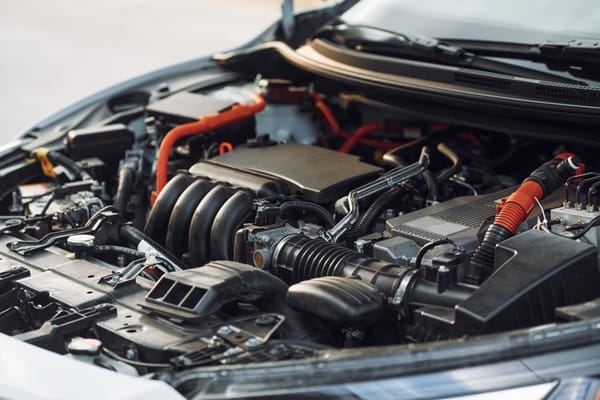
A quick look around the engine bay reveals more than most sellers expect. You’re not looking for a spotless engine — you’re looking for consistency.
Red flags worth noting:
- Fresh silicone or sealant around the engine
- New bolts in random places
- Recently sprayed components
- Oil leaks disguised with cleaning spray
Bodywork & Accident Repairs
Accident repairs are common in Kenya. Some are done well; others are rushed jobs meant to get the car sold quickly. Poor repairs always show up later in noise, leaks, or uneven tyre wear.
Signs of questionable bodywork:
- Doors that don’t close cleanly
- Slightly different paint shades under sunlight
- Overspray on rubber seals
- Uneven panel gaps
Interior Wear & Mileage Truth
Interiors tell the truth faster than odometers. Locally used cars can often be listed with lower mileage than the reality, so the cabin becomes the real historian.
Interior clues that mileage may be higher than claimed:
- Worn steering wheel or gear lever
- Sagging seats
- Loose trim or rattles
- Pedals with heavy wear
Mechanical Inspection
A proper mechanical inspection is the final filter. Kenyan roads expose weak suspension, tired engine mounts, and gearbox issues quickly. An independent inspection removes guesswork and gives you a factual comparison between two cars.
A solid inspection should cover:
- Engine compression and leaks
- Gearbox behaviour
- Suspension wear
- Brake condition
- Electrical systems
- Underbody health
Peach Cars’ inspection reports make this part easier. Everything is documented clearly, so comparing two cars becomes a matter of facts, not promises. Here’s how we do it at Peach.
3. The Real Cost of Living With the Car
Two cars may cost the same to buy, but their running costs can be worlds apart. This is where many buyers get surprised. But this is also where you can make a smarter comparison.
Fuel Consumption in Real Conditions
Brochure numbers rarely survive real roads. What matters is how the car behaves in everyday use.
Useful comparisons include:
- Real-world consumption shared by local owners
- How the engine responds in slow, heavy traffic
- Whether the car prefers regular or premium fuel
Some engines are naturally more efficient in town. Others only shine on the highway. Hybrids tend to do well in low-speed traffic, while larger petrol engines often feel thirsty in the same conditions.
Fuel Type
Petrol, diesel, and hybrid each come with trade-offs in Kenya.
- Petrol is straightforward to maintain, widely understood by mechanics, and is ideal for short trips and city driving
- Diesel, on the other hand, provides strong pulling power, is better suited for long distances or rural roads, and can be a bit costly if injectors or emissions systems fail.
- Hybrids are excellent in stop-start traffic. In town, they use less fuel, but for these cars, battery age and condition matter more than mileage
Insurance
Insurance premiums shift depending on the type of car. Some models attract higher rates simply because they’re more expensive to repair.
Premiums typically vary based on:
- Engine size
- Theft risk
- Availability and cost of parts
- Vehicle category (SUVs usually cost more to insure than saloons)
Maintenance Costs
This is where two cars that look similar suddenly drift apart. The things you need to compare include:
- Cost and availability of common wear items like brake pads, shocks, and plugs
- How often the car needs servicing
- Whether the gearbox requires specialised servicing (e.g., CVT)
- The long-term cost of hybrid components
- How easy it is to find parts locally
Cars with simple engines and widely available parts tend to be cheaper to maintain. Cars with complex systems or rare components often cost more over time, even if the purchase price is similar.
4. How the Car Holds Value in the Kenyan Market
Resale value is not just about brand. It’s about demand, reputation, and cost of ownership.
Brand Reputation
Toyota leads the pack, but other brands like Mazda, Honda, Nissan, and Subaru have strong followings too.
Local Demand
A popular car sells faster and retains value better.
Taxi/PSV Popularity
This can be a double-edged sword:
- Good: Parts are cheap, and mechanics know the car.
- Bad: Buyers may assume it’s been overworked, insurers may have restrictions for comprehensive coverage.
Maintenance Perception
Some cars are known for expensive repairs. Even if yours is well-maintained, the market may undervalue it.
When comparing two cars, think about which one will still be desirable in three to five years.
How to Choose Between Two Cars Without Stress
Here’s a practical method you can use every time you compare two cars:
Step 1: Start with Condition - Pick the car with the better mechanical and structural health.
Step 2: Check Verified History - Service records, inspection reports, these reduce risk.
Step 3: Compare Ownership Costs - Fuel, insurance, maintenance, parts. Choose the car that will cost less to run.
Step 4: Evaluate Lifestyle Fit – Think about ground clearance, boot space, comfort and long trips, daily usability in Nairobi Traffic.
Step 5: Consider Resale Value - Which car will hold value better in the Kenyan market?
Step 6: Make the Final Call - Choose the car that offers the best balance of reliability, cost, and practicality, not the one with the lowest price.
True Value Goes Far Beyond the Sticker Price
Comparing two cars shouldn’t come down to guesswork or gut feeling. Once you’ve looked beyond the price tag and understood condition, history, and ownership costs, the next step is finding cars where that information is already clear.
Peach Cars verifies vehicles before listing them, with detailed inspection reports and documented history that make side-by-side comparisons easier and more honest.
Compare cars with facts, not promises. Browse verified listings on Peach Cars.