The Joy of Owning a Locally Used Car in Kenya

Owning a car changes everything in your life. You should meet my friend Steve. A few years ago, we’d be busy having a serious conversation and then he goes silent, looks at his Mercedes Benz 200D 1985, and goes, “Na ununue gari bro, hata kama ni Demio. We haujui hii feeling!”
He bought it locally and he cherishes it like a young second wife. I don’t blame him, because, you don’t know how it feels to own a locally used car. Do you?
It’s freedom. It’s satisfaction, and it makes sense. So, when you get a chance, buy a pre-owned car in Kenya. It isn’t "settling for less" as some might think. It could as well be a "I'm not stupid with my money" statement.
Here’s why:
Affordable Freedom Without the Drama
The math on this is straightforward. A locally used car costs way less upfront than a new one. That's not news. What matters is what you do with the money you save.
Kenya's used car market hit $1.652 billion in 2024. It's expected to grow to $2.533 billion by 2035. This is proof that smart buyers know where value lives.
A new car loses serious value the moment you drive it off the lot. Locally used? Already took that hit. You're buying in after the worst part is over.
The money you don't spend on a new car can go somewhere actually useful:
- School fees for the kids
- Expanding your business operations
- Down payment on that plot in Kitengela
- Emergency fund that actually has money in it
The car becomes what it should be, a tool, not a financial albatross.
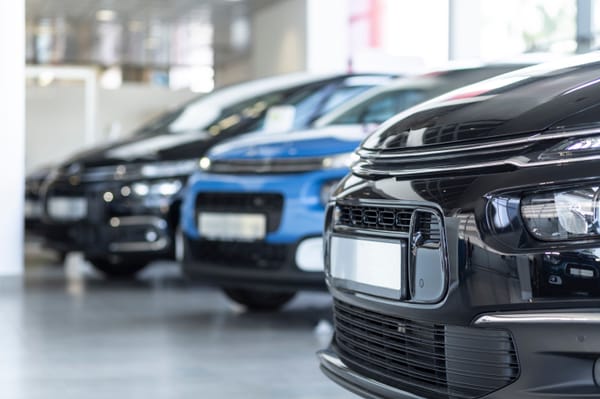
Take something like these locally used Toyota Axios or Honda Fits. Way cheaper than buying new. Still gets you everywhere you need to go. Still sips fuel like they are paying for it. Still means you're not fighting for space in a packed matatu on a Monday morning.
The lifestyle upgrade hits immediately:
- No more watching the clock to catch the last mat home
- No more showing up to client meetings looking like you survived a wrestling match
- No more negotiating fares with conductors who think you're a tourist
- Just reliable transport that works for your life
Lower Depreciation Stress
New cars drop in value fast. Really fast. The steepest part happens in the first few years.
Buy locally used and you skip that whole drama. The car has already done its depreciating. You step in when things have leveled out.
A 2021 Toyota Fielder might go for around Ksh 2.9 million. Older models from 2016-2017? They sit between Ksh 1.52 million and Ksh 1.9 million depending on the condition. Notice how that gap closes?
Here's the catch:
Popular models in Kenya hold their value surprisingly well. High demand means these cars don't just collapse in price. You see, a ride like a Toyota Hilux Double Cab 4x4? Recent (ten year olds) and used ones can cost from as low as Ksh 2.6M.
New ones cost something above Ksh 6.8 million to Ksh 8.5 million. That's value retention, right there, if after ten years you can still get millions from it.
Mileage matters, obviously. Kenyan roads are rough—dust, potholes, the occasional cow crossing. Cars wear differently here than on smooth German autobahns.
But here's the flip side. Once a car hits over 200,000 kilometres, its value tends to stabilise. It's already hit bottom. From there, depreciation slows way down.
Newer regulations help too:
- Import age limits keep getting tighter
- Cars aged 0-3 years are growing in market share
- Vehicles meeting environmental standards hold value better when you eventually sell
The peace of mind alone is worth it. You're not watching your "investment" evaporate month by month. If you want to understand more about how depreciation works locally, check out Peach Cars' guide on car depreciation in Kenya's market.
Easier Maintenance and Repairs
People worry about maintenance costs. Fair enough—nobody wants surprise bills.
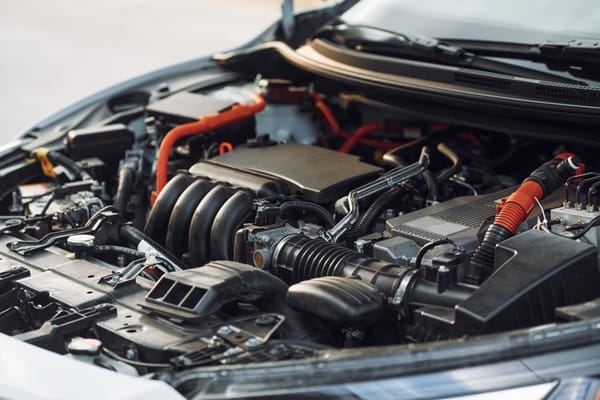
The good news? Popular locally used models are cheap and easy to maintain. We're talking about cars that mechanics in Nairobi, Mombasa, Nakuru, and Eldoret know inside out.
High-volume Japanese cars dominate for a reason. Parts are everywhere. Mechanics are everywhere. Competition keeps prices reasonable.
These cars are designed to handle our conditions—dust, heat, dodgy fuel quality, rough roads.
Here's what most people miss:
Maintenance costs are actually predictable when you stick to popular models. A basic oil change runs Ksh 3,000 to Ksh 12,000 (at least according to market estimates sourced from most garages in Nairobi).
- An interim service every 10,000-20,000 kilometres? Ksh 8,000 to Ksh 15,000.
- Wheel alignment after dodging too many potholes? Ksh 1,500 to Ksh 3,000.
Those are manageable numbers. Predictable numbers. The kind you can budget for without panic.
Compare that to some exotic European car where a single sensor costs more than a month's rent (in Thindigua). No thanks.
Keep up with regular servicing and these cars run forever. Skip it, and you'll pay later. Transmission repairs can hit Ksh 50,000 to over Ksh 200,000. You probably do not want that bill.
The trick is simple:
- Don't ignore small issues
- Service on schedule
- Use genuine parts
- Document everything
Your future self (and your future buyer) will thank you.
Real-World Reliability You Can Trust
These cars have already proven themselves on Kenyan roads. That matters more than any manufacturer's brochure.
Fuel efficiency is huge. With pump prices doing their usual acrobatics, you need a car that doesn't guzzle like it's free.
Check these numbers:
- Honda Fit delivers 18-22 km/L
- Toyota Corolla Axio manages 16-18 km/L
- Your daily commute doesn't require a salary advance
Kenyan roads test cars properly. The suspension gets a workout. Tyres wear faster than they would on smooth tarmac. Dust gets everywhere.
But that's exactly why the market favours certain models. Toyota Premio, Mazda CX-5, Subaru Forester—these cars can take it. When something does wear out, repair is straightforward and affordable.
Now, this part matters:
The used car market is also growing smarter. Hatchbacks like the Vitz and Fit capture 42.81% of market share—perfect for starters. But SUVs and MPVs are growing fastest at 4.51% annually through 2030. Families are upgrading within the used market as their needs change.
Whether it's the daily grind in Nairobi traffic or a weekend escape to the coast, these cars just work. No drama. No surprises. Just reliable transport.
Things to Be Careful About
Smart ownership means more than just buying the right car. You need to maintain it properly and stay compliant.
The biggest mistake? Skipping maintenance. That Ksh 10,000 service you postpone can become a Ksh 150,000 repair. Trust me, it's not worth it.
Keep your service records:
- Use a trusted mechanic
- Don't ignore that weird sound or warning light
- Small problems caught early stay small
- Document every service and repair
Legal Compliance is Non-Negotiable
When you buy a used car, transfer ownership through NTSA immediately. Use the eCitizen platform. Both seller and buyer need to complete their parts. This prevents fraud and protects your investment.
KEBS requires inspection for all imported vehicles. They verify roadworthiness, safety standards, and compliance with the 8-year age limit.
Even if your car doesn't need annual NTSA inspection (most private cars under 3,000cc don't), get a pre-purchase inspection anyway. Unscrupulous sellers hide damage. A proper inspection exposes their nonsense.
Insurance: Where Things Get Interesting
By law, you must have insurance. But some popular models face challenges getting comprehensive cover.
Toyota Vitz, Fielder, and Wish? Some insurers like have blacklisted them from comprehensive policies. Why? They're often misused as illegal PSVs, which jacks up the risk profile.
This doesn't mean you can't insure them. It means you need to shop around. Just confirm the policy explicitly covers private use and has a decent claims process.
Comprehensive insurance costs more than third-party insurance (sometimes it costs up to 5% or more of the car’s value), but it protects your investment. Meanwhile, document everything.
- Service receipts.
- Insurance policies.
- Inspection reports.
This paper trail boosts resale value and proves you've been a responsible owner.
The Peach Cars Advantage
The used car market has one massive problem. Trust. Too many shady dealers. Too many hidden issues. Too much hoping you got a good one.
Peach Cars fixes this with a 288-Point Inspection process. Not some quick once-over. A proper, detailed examination of everything that matters.
What gets inspected:
- Engine condition and performance
- Transmission functionality
- Suspension and steering systems
- Brake system integrity
- Electrical systems and components
- Body condition and accident history
You get a full report showing exactly what you're buying.
This transparency changes the game completely.
- You're not buying blindly and praying. You're reviewing facts. Like a business proposal, as they say.
- Budget certainty follows naturally. You know what needs fixing now. What might need attention soon. What's in great shape. No surprises draining your account three months later.
- The traditional used car drama—wondering if that clicking sound is serious, if the previous owner was honest, if you're about to get walloped with repair bills—all that goes away.
You buy knowing exactly what you're getting. That peace of mind? Worth every shilling. If you're a small business owner looking for reliable transport, see how Peach Cars helps you find the right deals.
Your Road to Joy Starts Now
Owning a locally used car in Kenya makes perfect sense. Lower upfront costs. Manageable depreciation. Affordable maintenance. Proven reliability on our roads.
The joy comes from the freedom it brings. Weekend trips without checking bus schedules. Rainy mornings without getting soaked. Emergency hospital runs without panic. That's real value.
Are you ready for that freedom? The right car is waiting for you at Peach Cars. One that fits your budget, handles Kenyan roads, and delivers years of reliable service. Browse verified, inspected vehicles at Peach Cars and drive away with confidence.
Your joy—and your journey—begins with a smart decision today.